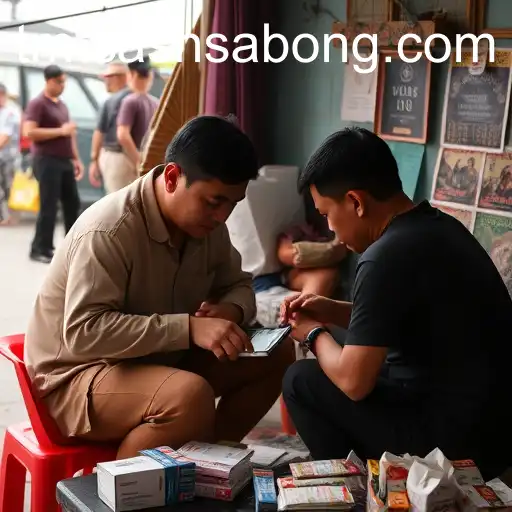
The Intricacies of Jueteng in the Philippines
Jueteng is an illegal numbers game widely popular in the Philippines. Its roots trace back to the Spanish colonial era, and it has persisted through modern times, weaving itself deeply into the fabric of Filipino society. Characterized by its simplicity and allure of high rewards, Jueteng operates outside the confines of the law, yet it flourishes in various provinces across the country despite repeated governmental crackdowns.
The Mechanics of Jueteng
Jueteng is a numbers game reliant on luck, where participants select a two-number combination between 1 and 37. Unlike massive lottery systems requiring hefty infrastructure, Jueteng thrives on its grassroots nature. Bettors place their wagers through collectors who bring the stakes to their handlers, creating a seamless chain that embeds itself within local communities. Winning numbers are often drawn using simple methods, ensuring the game remains accessible and unassuming.
The Cultural and Economic Impact of Jueteng
The game's persistent popularity can be attributed to its cultural resonance and economic incentives. For many Filipinos, Jueteng offers a glimmer of hope amidst financial uncertainty. It provides an opportunity for small-scale bettors to potentially transform their fortunes overnight with minimal investment. Moreover, it fosters an informal economy that supports numerous jobs, albeit illicitly, ranging from bet collectors to runners and operators known as bookies.
Politically, Jueteng has created ripples that extend to the echelons of power. Tales of politicians and officials receiving financial backing from Jueteng lords are not uncommon. The intertwining of politics and gambling has led to numerous controversies, with accusations of corruption circulating throughout the halls of government.
TMTCash Sabong: The Digital Evolution
With technological advancements, participants in these gambling traditions have found new avenues to explore. While Jueteng remains largely analog, the digital world has seen the rise of TMTCash Sabong, an online cockfighting platform that has gained traction among gamblers. Recognizing the possibilities of expanding audience reach, the platform capitalizes on the Filipino cultural phenomenon of cockfighting, or sabong, by bringing it into the digital era.
The Intersection of Tradition and Innovation
Sabong has a storied history in the Philippines, deeply rooted in pre-colonial customary law and community events. By transitioning from dirt floors and arenas to the digital sphere, TMTCash Sabong serves as a testament to evolving cultural pastimes adapting to contemporary technological landscapes. Besides, TMTCash has made the betting process fluid and user-friendly, enabling fans and bettors alike to engage in sabong from their homes.
Yet, the vibrant digital adaptation does not negate the socio-ethical concerns surrounding these traditional gambling practices. While proponents celebrate the preservation of cultural traditions through technology, critics highlight the risks of gambling addiction and legal vagaries. The emergence of platforms like TMTCash Sabong underscores the growing need for dialogue on balancing cultural heritage with societal welfare.
Legal and Ethical Considerations
The persistent popularity of Jueteng and the rise of digital platforms like TMTCash Sabong raise questions about the governance of gambling in the Philippines. Officially, Jueteng remains illegal, but enforcement is spotty at best, with regular allegations of collusion between gambling lords and law enforcement officers. This complex maze of legality is further entangled by cultural blending and economic dependence, challenging policymakers in crafting comprehensive strategies.
For TMTCash Sabong, the ambiguous grey area of online gambling laws further complicates the regulatory landscape. Digital transformation poses unique challenges for the Philippine Amusement and Gaming Corporation (PAGCOR), the lead agency tasked with regulating and licensing gambling activities. Regulatory frameworks must address potential issues of digital security, privacy, and ethical concerns while ensuring sustainable economic benefits from tourism and entertainment sectors.
Pathways to Solutions
Creating viable solutions requires a multifaceted approach. Engaging community stakeholders in developing a more inclusive, fair, and transparent gambling system forms a critical step. Policymakers should emphasize not only enforcement but also the promotion of responsible gambling initiatives. Curbing corruption within police and governmental ranks is equally imperative, demanding increased transparency and accountability measures across the board.
Finally, exploring the legalization and regulation of local gambling practices presents an intriguing prospect. By bringing traditional games like Jueteng into the legal framework, the government could operationalize systematic regulation, improve revenue from taxation, and most importantly, ensure participants' safety and fairness.
Conclusion
The persistent allure of Jueteng and the innovative expansion of gambling through platforms like TMTCash Sabong invite introspection into cultural traditions, economic dependencies, and legal frameworks. As the Philippines grapples with these complex issues, the discourse surrounding gambling remains as dynamic and challenging as ever. Addressing these concerns demands resilient strategies that harmonize cultural appreciation with socio-economic progression while prioritizing ethical safeguarding and regulatory coherence.